Tips
Got Questions About Healthy Cooking? Find Answers Here
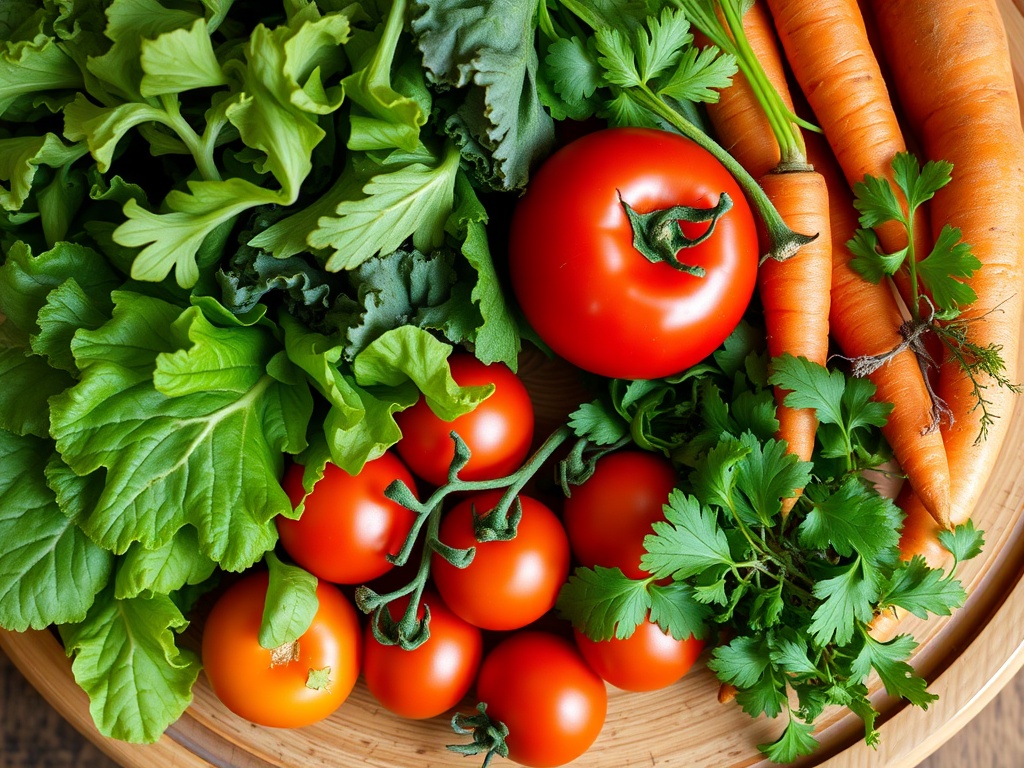
What is healthy meal preparation?
Healthy cooking is more than just using fresh ingredients. It's about understanding nutrition, mastering cooking techniques that preserve nutrients, and building sustainable habits that support your wellness goals. Our comprehensive course teaches you how to prepare delicious, nutrient-dense meals that fit your lifestyle and dietary preferences.
Why is learning healthy cooking important?
Cooking at home gives you complete control over ingredients, portion sizes, and nutritional content. It helps you avoid processed foods, reduce unnecessary sodium and sugar, and develop a genuine connection with what you eat. By mastering healthy cooking techniques, you invest in your long-term health, boost your energy levels, and save money compared to eating out.
What are the key components of a balanced, nutritious meal?
A balanced meal includes lean proteins for muscle maintenance, complex carbohydrates for sustained energy, healthy fats for hormone production, and plenty of colorful vegetables for vitamins and minerals. Our course teaches you portion control, food combining principles, and how to build meals that keep you satisfied and energized throughout the day.
How can I plan meals efficiently and save time?
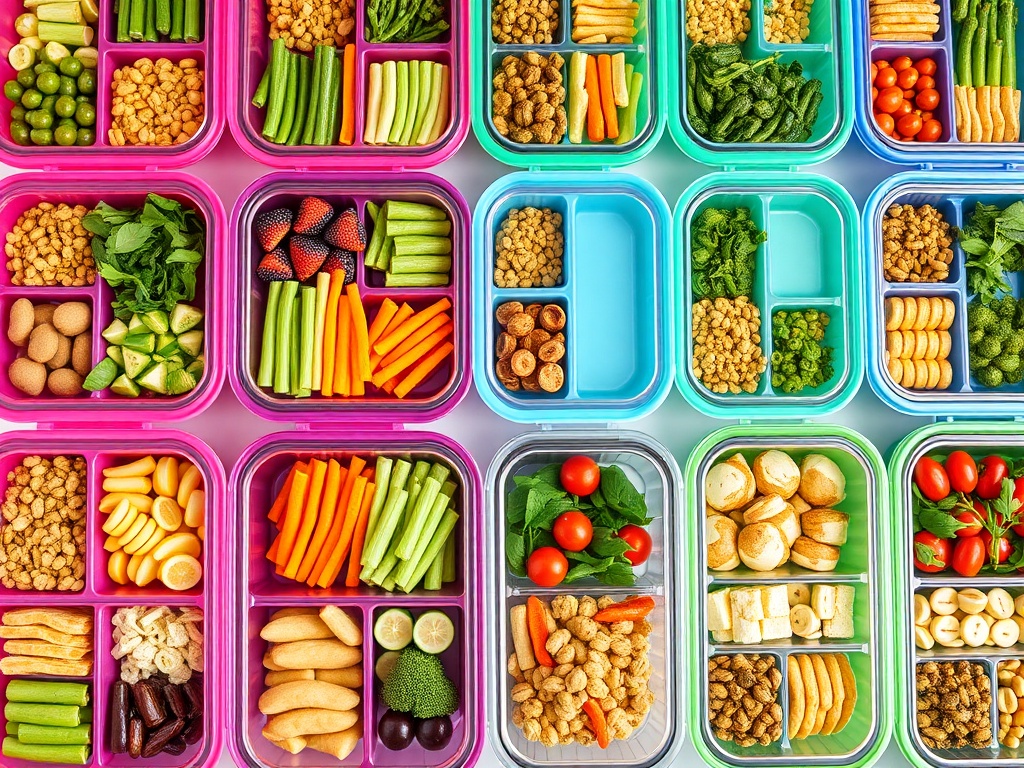
Meal planning removes daily stress and ensures you stay on track with your nutrition goals. By dedicating a few hours each week, you can prepare ingredients in advance, batch cook proteins and grains, and assemble meals quickly during busy weekdays. Our course provides proven templates, shopping lists, and time-saving strategies used by nutrition professionals.
What cooking methods preserve the most nutrients?
Different cooking techniques affect nutrient retention differently. Steaming, grilling, and light sautéing preserve more vitamins than deep frying. Raw preparations work well for certain foods, while slow cooking enhances nutrient absorption in others. Our course breaks down each method so you can choose wisely based on your ingredients and health objectives.
How do I modify recipes for dietary restrictions?
Whether you're vegetarian, vegan, gluten-free, or managing allergies, the principles of healthy cooking remain constant. You learn to substitute ingredients thoughtfully, maintain proper nutrition without key food groups, and create meals your entire family enjoys together. Our instructors provide detailed adaptation strategies for hundreds of popular recipes.
Master the fundamentals of healthy cooking with expert guidance and practical skills
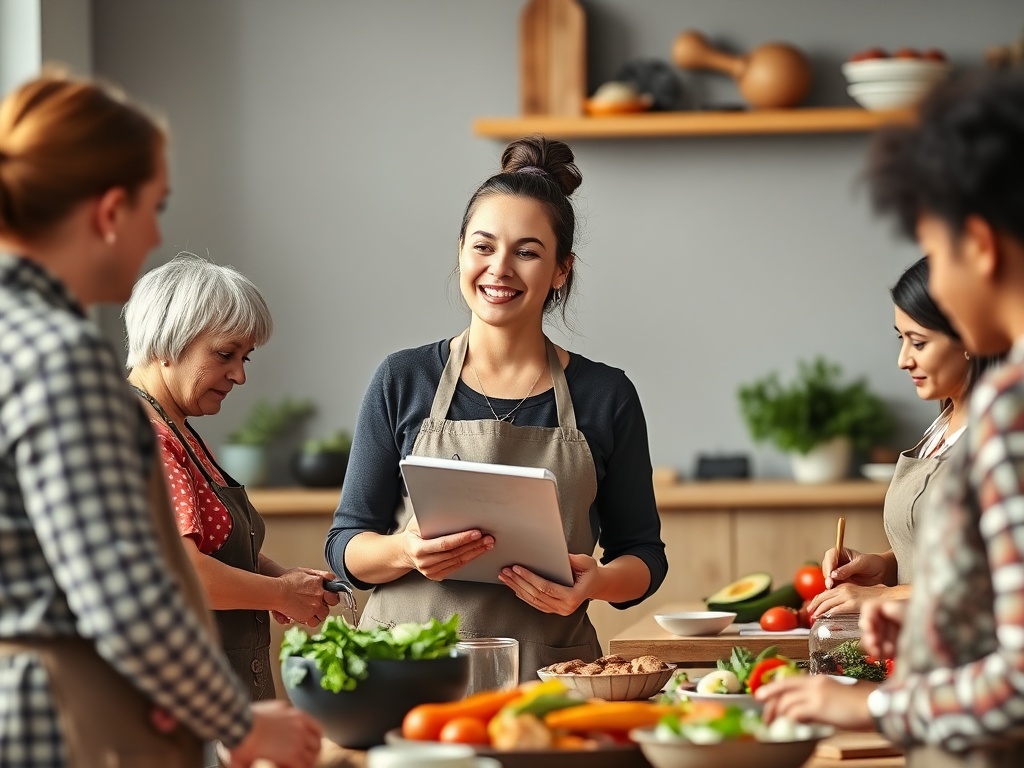
What ingredients should I always keep stocked?
Building a well-stocked pantry of quality staples makes healthy cooking convenient and accessible. Essential items include whole grains, legumes, quality oils, herbs and spices, nuts and seeds, and frozen vegetables. Our course includes a detailed shopping guide that helps you identify the best quality products at reasonable prices and explains why each ingredient matters.
How do I develop a sustainable healthy eating habit?
Creating lasting change requires realistic goals, flexible thinking, and self-compassion. Healthy eating isn't about perfection or deprivation. Our program teaches behavior change psychology, helps you identify your personal triggers and patterns, and guides you through building systems that work with your lifestyle rather than against it.
What's the difference between healthy fats and unhealthy fats?
Not all fats are created equal. Your body needs healthy unsaturated fats from sources like olive oil, avocados, fatty fish, and nuts for brain function and hormone balance. Trans fats and excess saturated fats, however, increase inflammation and health risks. Our course explains the science clearly and teaches you how to incorporate beneficial fats into every meal.
How can I reduce sugar and salt without sacrificing flavor?
Cooking flavorful food without excess sugar and sodium relies on using quality ingredients, aromatic spices, fresh herbs, and proper seasoning technique. You'll learn how acids like lemon juice enhance taste, how to build flavor layers, and discover delicious alternatives to processed condiments. Your palate actually adjusts quickly when you apply these methods consistently.
What's the role of hydration in healthy cooking?
Water is an often-overlooked nutrient that supports digestion, nutrient absorption, and overall health. Proper hydration affects how your body processes food and manages hunger. Our course covers how to cook with water wisely, incorporate hydrating foods like soups and vegetable-based dishes, and establish drinking patterns that complement your nutritional approach.
How do I handle emotional eating and food cravings?
Cravings are normal and sometimes indicate nutritional needs or emotional states requiring attention. Rather than fighting them, you learn to understand their messages and respond thoughtfully. Our course provides practical strategies for satisfying cravings with nutrient-dense options and addresses the emotional components of eating that affect long-term success.
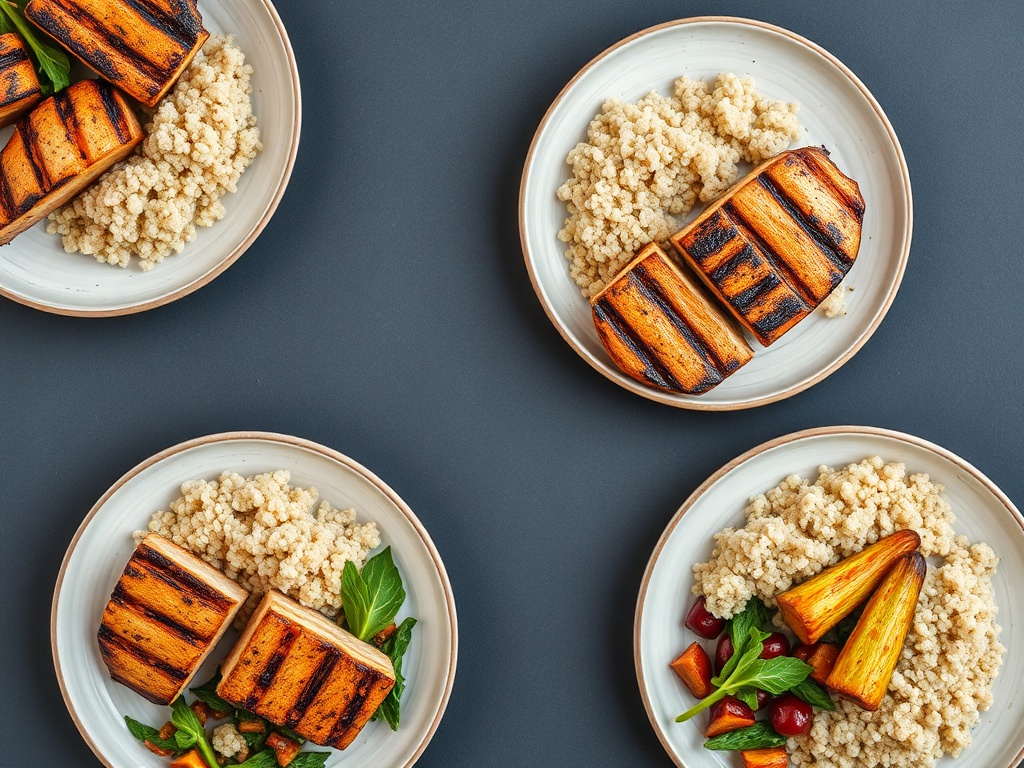
Start your healthy cooking journey today
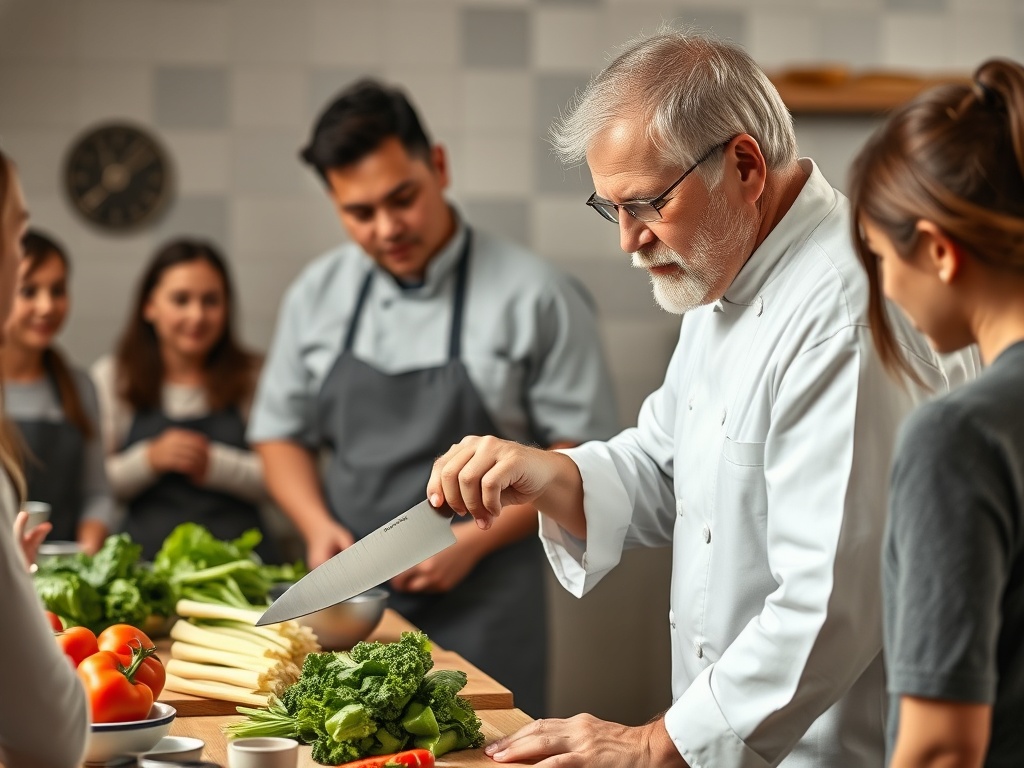
Learn proven techniques from nutrition experts worldwide